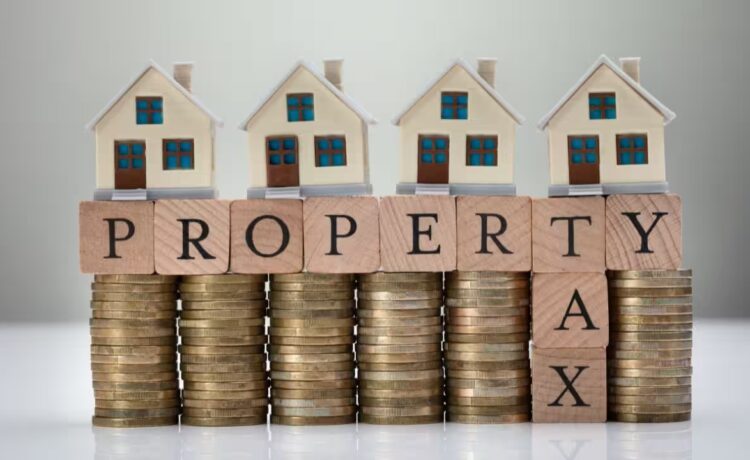
Property tax compliance is a critical aspect of financial responsibility for both homeowners and business owners. Understanding local laws, keeping accurate records, and staying current with payments ensures that property owners avoid penalties and maintain a strong financial standing. Mastering property tax compliance is not just about avoiding fines—it is also about leveraging knowledge and best practices to optimize tax management, protect investments, and plan effectively for the future.
Understanding Property Tax Compliance
Property tax compliance refers to the adherence to legal requirements related to property taxation. This includes accurately reporting property details, submitting payments on time, and following local and state regulations governing property assessments. For homeowners, property tax compliance ensures that taxes on residential properties are properly calculated based on the assessed value of the home and any applicable exemptions or deductions.
Business owners face additional complexities. Commercial properties are often assessed differently than residential properties, and regulations can vary widely depending on the location and type of property. Maintaining property tax compliance for business holdings requires a comprehensive understanding of local ordinances, industry-specific rules, and reporting obligations. Failing to comply can result in penalties, interest charges, and potential legal disputes that may jeopardize both business operations and financial health.
Regular communication with local tax authorities is an essential part of compliance. Property owners should familiarize themselves with assessment schedules, payment deadlines, and available exemptions or relief programs. Understanding these details ensures that both individuals and businesses can plan effectively and avoid surprises when tax bills are issued.
Best Practices for Homeowners
Homeowners can take several steps to ensure property tax compliance while optimizing their financial responsibilities. Keeping accurate records of property transactions, improvements, and assessments is fundamental. Documentation of purchases, renovations, or appeals can influence property valuations and, in some cases, reduce the tax burden.
Another key practice is to monitor property assessments. Local authorities periodically assess property values, which can directly impact tax rates. By reviewing assessment notices carefully, homeowners can identify errors or discrepancies and challenge valuations if necessary. Timely appeals can result in lower property taxes and prevent overpayment, contributing to sound financial management.
Taking advantage of exemptions, credits, and relief programs is also an important aspect of compliance. Many municipalities offer property tax reductions for seniors, veterans, or primary residences. Understanding eligibility criteria and applying for these programs ensures homeowners are maximizing benefits while staying compliant with the law.
Payment management is another critical factor. Setting up automated reminders or recurring payment systems can prevent late payments, which often result in penalties or interest charges. Being proactive about tax obligations demonstrates responsible ownership and avoids unnecessary financial strain.
Best Practices for Business Owners
For business owners, property tax compliance requires a strategic approach that encompasses multiple properties and complex assessment rules. Maintaining detailed records of property holdings, lease agreements, and business-related improvements is essential. Accurate documentation facilitates the proper reporting of property values and ensures that tax filings reflect the true financial position of the business.
Understanding local assessment methods is also vital. Commercial properties may be assessed based on market value, income potential, or replacement costs. Business owners should stay informed about the methodology used in their jurisdiction to anticipate changes and plan for tax obligations accordingly. Regularly reviewing assessment notices and consulting with tax professionals can prevent overpayment and ensure compliance.
Appeals and dispute resolution are key tools for commercial property owners. If an assessment appears inflated or inaccurate, filing an appeal with supporting evidence can lead to a reduction in property taxes. Engaging experienced professionals to handle appeals or complex compliance issues helps protect the business from unnecessary financial exposure.
Additionally, technology can play a significant role in property tax compliance for businesses. Property management software, accounting systems, and automated alert systems allow business owners to track deadlines, manage payments, and maintain accurate records. These tools enhance efficiency, reduce errors, and ensure that all compliance requirements are consistently met.
Planning and Strategy for Long-Term Compliance
Property tax compliance is not only about addressing immediate obligations—it also requires long-term planning and strategic management. Both homeowners and business owners should incorporate property tax considerations into their financial planning, budgeting, and investment strategies. Anticipating tax increases, evaluating the impact of property improvements, and understanding potential exemptions or credits can influence decision-making and financial outcomes.
Working with tax professionals, including accountants, attorneys, or property tax consultants, provides valuable insights into local regulations and compliance strategies. These experts help navigate complex rules, identify savings opportunities, and mitigate risks associated with non-compliance. By integrating professional guidance into their approach, property owners can maintain confidence in their compliance efforts while optimizing financial performance.
Effective planning also involves continuous monitoring and adaptation. Local laws and assessment methods may change over time, and staying informed ensures that property owners are prepared to respond proactively. Regularly reviewing tax obligations, keeping documentation current, and reassessing financial strategies help maintain compliance and minimize the likelihood of disputes or penalties.
Achieving Confidence Through Compliance
Mastering property tax compliance allows homeowners and business owners to achieve greater confidence in their financial and legal responsibilities. By adhering to regulations, maintaining accurate records, leveraging exemptions, and planning strategically, property owners can manage tax obligations efficiently and effectively. Compliance is more than a requirement—it is an opportunity to enhance financial stability, protect investments, and make informed decisions that contribute to long-term success.
Property tax compliance represents a crucial aspect of responsible ownership. Homeowners benefit from accurate assessments and proper application of exemptions, while business owners gain insight into complex commercial property obligations. Both groups can take advantage of technology, professional guidance, and proactive planning to streamline processes and reduce risks.
With a focus on best practices, careful monitoring, and strategic planning, property owners in both residential and commercial sectors can master the challenges of property tax compliance. These efforts not only ensure adherence to legal requirements but also foster financial efficiency, peace of mind, and long-term security. In today’s dynamic regulatory environment, mastering property tax compliance is essential for maintaining control over property investments and safeguarding future growth.