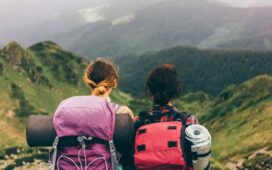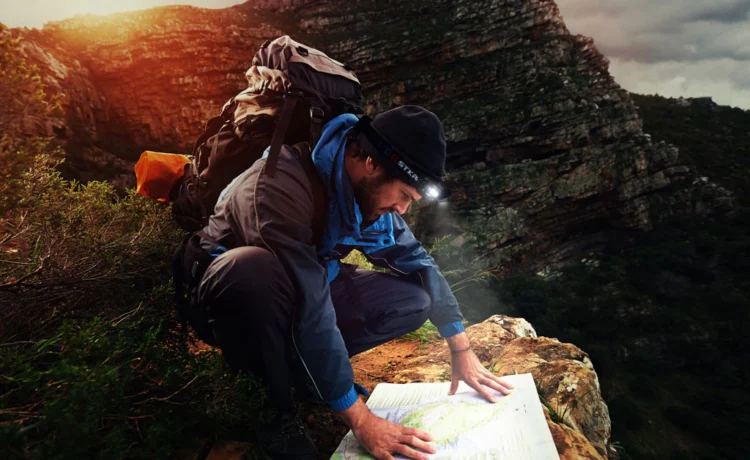
Hiking is an incredible way to enjoy the outdoors, get some exercise and visit stunning locations. However, a loaded backpack can make the hike tiring and uncomfortable. That’s the reason that most hikers stick with minimal packing. Carrying a lighter backpack allows you to move faster, tire less easily and appreciate your hike more.
Hiking light doesn’t equate to forgetting the essentials. It just means selecting the correct equipment and packing properly. This is where you learn how to pack super light for any hike
Choose a Lightweight Backpack
Choosing the right backpack is the first step to packing light. Fill them with stuff, and they get really heavy. Find a lightweight, comfortable hiking backpack that fits your body.
For short hikes, a backpack of 20–30 litres should be sufficient. Carrying a smaller backpack inherently restricts what you can take with you, thus avoiding overpacking.
Pack Only the Essentials
One mistake that hikers often make is packing too many items “just in case.” Instead, pay attention to the stuff you actually need.
Basic hiking essentials include:
- Water
- Snacks or energy bars
- Map or GPS
- First aid kit
- Light jacket
- Flashlight or headlamp
- Phone
Packing Items that are Not Useful and Add Bulk
Choose Multi-Purpose Items
One of the best ways to travel light is to select items that can pull double duty.
For example:
- And a buff or scarf can serve as a head cover, neck warmer or sweat band.
- A light jacket protects from wind and light rain.
- A smartphone can function as a camera, map, flashlight and emergency contact device.
Multi-use gear also lessens the amount you’ll have to carry.
Carry Lightweight Clothing
Clothing is also one of the heaviest items in your backpack. That makes it a good idea to wear lightweight and quick-dry clothes instead of heavy ones.
Good hiking clothing materials include:
- Polyester
- Nylon
- Merino wool
Stay away from heavy cotton clothes that absorb sweat and dry slowly.
Several layers of clothing are typically unnecessary during a day hike, other than a lightweight jacket or rain layer.
Pack Smart with Small Items
Little things can pile up to weigh down your bag。 Opt for diminutive versions of popular gear.
Examples include:
- Small travel-size sunscreen
- Compact first aid kits
- Lightweight water bottles
- Mini flashlights
Many brands that make outdoor gear now have ultralight options tailored for backpackers.
Use a Hydration System
Of all the items that hikers lug, water is among the heaviest. A hydration bladder system lets you replace carrying multiple bottles.
This system sits in your backpack and lets you sip through a tube as you walk. It’s space-saving and leaves your hands free.
Pony up a portable water filter that you can use to refill along the trail if you know there are safe sources of water.
Organise Your Backpack Properly
Packing smart is as critical as packing light. Treat your backpack so it’s balanced in terms of weight.
Here are a few tips:
- Place heavier items closer to your back
- Store essentials in the outer pockets
- Keep food and water handy
Packing well reduces weight and makes the pack more comfortable.
Leave Unnecessary Gear at Home
A lot of hikers will bring things that never get used on the hike. Before packing, ask yourself:
“Will I use this today?”
If the answer is no, leave it where you found it. Things such as extra shoes, heavy cameras or bulky tools are usually unnecessary on shorter hikes.
Final Thoughts
The secret of ultra-light packing for hiking is achieving a more comfortable and less tiring adventure. The trick is to pack only what you actually need and opt for lighter gear whenever available.
The right pack, packing essentials, multi-use items and organising your gear will ease some weight off your back.
Keep in mind that hiking is about being out in nature, not suffering under a heavy backpack. If you pack light, walk farther or explore more, you can enjoy the beauty of the trail.