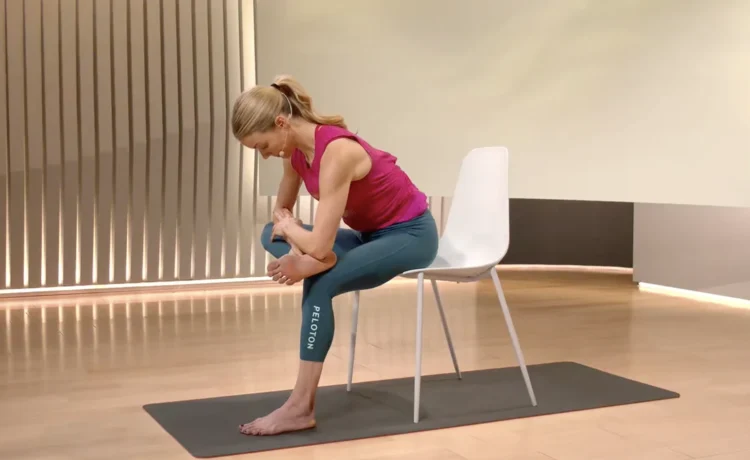
Singapore is ageing faster than most countries in the developed world. By 2030, one in four Singaporeans will be aged 65 or above. The nation’s healthcare system is preparing for the downstream consequences, which include not just physical decline but a projected increase in dementia and mild cognitive impairment. Amid this demographic shift, there is growing scientific interest in whether accessible movement practices can meaningfully protect and support brain health as people age. The research on this question is more compelling than most people realise, and it places chair yoga at an interesting intersection of neuroscience, preventive medicine, and community wellness.
The Brain Does Not Age in Isolation
Cognitive decline is not simply a matter of neurons wearing out. It is influenced by a complex interplay of vascular health, neuroinflammation, stress hormone exposure, sleep quality, social engagement, and physical activity. Each of these factors is modifiable. That is a significant and often underappreciated point. Dementia is not inevitable, and the lifestyle factors that influence cognitive trajectory are within reach even for people who are older, physically limited, or dealing with chronic health conditions.
This is precisely why chair yoga is worth examining seriously in the context of brain health. It simultaneously addresses several of the key modifiable risk factors for cognitive decline, in a format that is accessible to people who cannot engage in high-intensity or high-impact exercise.
The Neuroscience Behind Mind-Body Practices and Brain Structure
Hippocampal volume and aerobic movement
The hippocampus is the brain region most critically involved in the formation of new memories and spatial navigation. It is also one of the first regions to show atrophy in Alzheimer’s disease. Research has consistently found that regular physical activity is associated with increased hippocampal volume, even in older adults. Whilst the most studied modality is aerobic exercise, emerging evidence suggests that mind-body practices incorporating breath regulation and meditative attention also have positive effects on hippocampal and prefrontal cortex structure.
Neuroplasticity and the role of novel, attention-demanding movement
Not all movement stimulates the brain equally. Repetitive, automatic exercise, such as walking a familiar route, engages the brain differently from movement that requires attentional focus, coordination, balance, and breath regulation. Chair yoga falls into the latter category. Learning and refining new poses requires the motor cortex, cerebellum, and prefrontal cortex to work in concert. This kind of novel, attention-demanding movement is thought to promote neuroplasticity, the brain’s ability to reorganise and form new connections, which is protective against cognitive decline.
BDNF: The brain’s fertiliser
Brain-derived neurotrophic factor is a protein that supports the survival and growth of neurons and plays a critical role in the formation of new synaptic connections. Physical activity reliably increases BDNF levels. Mind-body practices, including yoga, have been shown in multiple studies to produce significant increases in serum BDNF. Higher BDNF levels are associated with better memory, faster processing speed, and greater resilience against neurodegeneration.
Cortisol and hippocampal atrophy
Chronic exposure to elevated cortisol, the primary stress hormone, is neurotoxic. It accelerates hippocampal atrophy and is strongly associated with increased risk of cognitive decline. The breath regulation and meditative components of chair yoga directly reduce cortisol levels through parasympathetic activation. Regular practitioners of yoga-based breathing show measurably lower baseline cortisol compared to sedentary controls.
How Specific Components of Chair Yoga Support Cognitive Health
Pranayama and prefrontal cortex activation
Controlled breathing practices, particularly those involving extended exhalation or breath retention, stimulate the vagus nerve and activate the prefrontal cortex, the region responsible for executive function, decision making, and impulse control. This is the same region that deteriorates early in many forms of dementia. Regular pranayama practice has been associated with improved executive function scores in older adults in several clinical trials.
Dharana and dhyana: Focused attention and brain connectivity
Chair yoga incorporates meditative attention practices alongside physical movement. The sustained, focused attention required during practice strengthens the default mode network’s regulation, which is the brain network associated with mind-wandering and self-referential thought. Disruption of this network is one of the earliest detectable neural changes in Alzheimer’s disease. Regular meditation practice is associated with better default mode network regulation and stronger functional connectivity between brain regions.
Bilateral, coordinated movements and cross-hemispheric communication
Many chair yoga sequences involve coordinated movement of both sides of the body, which engages both cerebral hemispheres simultaneously. This cross-hemispheric communication, facilitated through the corpus callosum, is associated with better cognitive integration and processing speed.
Balance training and cerebellar activation
The cerebellum, once thought to be purely a movement coordination centre, is now understood to play a significant role in cognitive function including attention, working memory, and language processing. The balance and proprioceptive training components of chair yoga, even in a seated format, engage the cerebellum in ways that support its broader cognitive functions.
Social Engagement as a Cognitive Protective Factor
One of the most robust findings in dementia research is that social isolation is a significant risk factor for cognitive decline. Conversely, regular social engagement is strongly protective. Group chair yoga classes provide a structured, regular social context that many older Singaporeans, particularly those who are retired, living alone, or with reduced mobility, might not otherwise have access to.
The combination of shared physical activity, interpersonal connection, and the cognitive stimulation of learning and refining a practice within a group setting makes a group yoga class a remarkably rich environment for brain health. This is not a trivial observation. The social dimension of a regular class attendance habit is, from a neuroscience perspective, just as important as the physical and breathing components.
Vascular Brain Health and the Role of Movement
Vascular factors account for a significant proportion of dementia risk. Hypertension, in particular, is one of the most modifiable and impactful risk factors for both vascular dementia and Alzheimer’s disease. Chair yoga has been shown in multiple studies to produce meaningful reductions in resting blood pressure, through a combination of physical relaxation, sympathetic nervous system downregulation, and improved vagal tone. For older Singaporeans managing hypertension, this is a directly relevant benefit.
Cerebral blood flow, the moment-to-moment delivery of oxygen and glucose to brain tissue, is also improved by regular gentle movement. Even the moderate cardiovascular stimulation of a chair yoga session, which elevates heart rate mildly without excessive demand, is sufficient to improve cerebrovascular reactivity over time.
The Sleep Connection
Sleep is when the brain clears metabolic waste products, including the amyloid-beta plaques associated with Alzheimer’s disease, through the glymphatic system. Chronic sleep disruption is a significant dementia risk factor, and it is extremely common in Singapore’s older adult population.
Chair yoga improves sleep quality through multiple mechanisms: reducing cortisol, activating the parasympathetic nervous system, improving the physical comfort that disrupts sleep, and providing a regular, calming evening practice that signals to the nervous system that it is safe to rest. Older adults who practise yoga consistently report better sleep onset, longer sleep duration, and fewer nocturnal awakenings.
Putting It All Together: A Holistic Brain Health Practice
What makes chair yoga particularly compelling from a cognitive health perspective is the multiplicity of mechanisms it engages simultaneously. It is not a single-pathway intervention. It works through vascular health, cortisol regulation, BDNF production, neuroplasticity, social engagement, sleep quality, and attentional training, all within a single accessible practice.
For Singapore’s ageing population, particularly for those who cannot access high-intensity exercise, this breadth of impact is deeply significant. Chair yoga does not require a gym membership, athletic fitness, or a body free of chronic pain. It requires only a chair, a willingness to move, and a consistent habit.
For those looking to begin or deepen this kind of brain-supportive practice in a structured and welcoming setting, Yoga Edition provides guided chair yoga classes that integrate movement, breath, and mindful attention in a way that is accessible for all ages and ability levels.
Frequently Asked Questions
Q: Is there a specific age at which starting chair yoga for brain health makes the biggest difference?
A: The earlier you start, the greater the compounding benefit over time. However, research shows that the brain retains meaningful neuroplasticity well into old age, which means it is never too late to benefit. Adults who begin a consistent yoga or mind-body practice in their sixties and seventies still show measurable improvements in cognitive function scores, hippocampal volume stability, and mood within months of starting. The most important factor is not when you start but whether you sustain the practice consistently.
Q: Can chair yoga help if I already have mild cognitive impairment?
A: There is growing evidence that mind-body practices including yoga can slow the progression of mild cognitive impairment and in some cases improve specific cognitive functions such as attention and working memory. Chair yoga is particularly well suited for individuals with mild cognitive impairment because the structured, guided nature of a class provides an accessible entry point. It is important to inform your instructor about your condition so that the class can be appropriately adapted. Discussing any new exercise practice with your neurologist or geriatrician is also advisable.
Q: How often should I practise chair yoga to get meaningful cognitive benefits?
A: Most of the research on yoga and cognitive health involves practice frequencies of two to four sessions per week. Consistency over time appears more important than any single session’s intensity or duration. Even two sessions per week maintained over six months produce measurable changes in brain-derived neurotrophic factor levels and cognitive test scores in older adult populations. Adding a short daily breath practice between classes amplifies the benefits further.
Q: Does it matter that chair yoga involves mindful attention rather than just physical movement?
A: It matters a great deal. The attentional, mindful quality of yoga practice is thought to be one of its key differentiators from conventional exercise in terms of cognitive benefit. The requirement to focus on breath, body sensation, and movement coordination simultaneously provides a level of mental engagement that purely automatic physical activity does not. This is why researchers studying mind-body practices are careful to distinguish them from standard aerobic exercise when examining cognitive outcomes.
Q: My parent has been diagnosed with early Alzheimer’s. Could chair yoga help them?
A: Gentle, guided movement practices including chair yoga can be beneficial for individuals in the early stages of Alzheimer’s disease. Benefits include mood stabilisation, reduced anxiety, maintenance of physical function, improved sleep, and opportunities for social connection. The structured, repetitive nature of a yoga practice can also provide a sense of routine and predictability that is comforting for individuals experiencing cognitive change. Involvement of a family member or carer in the class can further enhance the experience and provide reassurance.