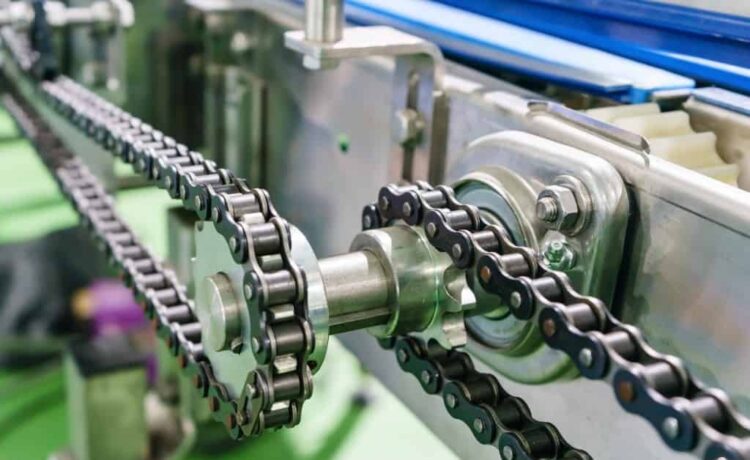
Roller chains are cornerstones of countless industrial systems, prized for strength, reliability and efficiency. However, to truly maximize performance and lifespan, the proper accessories are indispensable. In this article, we explore key roller chain accessories that fortify durability, lessen maintenance needs and keep operations smoothly running. Whether optimizing for arduous use or prolonged dependability, these parts play vital roles in deriving utmost benefit from roller chain systems.
Accessories like chain tensioners prevent slack and promote reliable power transmission. Sprockets properly sized to chains maintain consistent engagement between links and teeth. Guards shield assemblies from debris that could accelerate wear. Lubrication distributors help preserve chains by reducing friction at articulation points. Together, these high-impact components fortify uptime and postpone replacement, offsetting their small costs many times over through prolonged service life.
Roller chains: Powering industry with reliability and precision
At the core of production lines and machinery, roller chains spin the wheels of progress. Serving as dependable conduits of energy, chains transfer rotational motion through link plates, rollers, and pins. Their intrinsic design conveys loads and speeds with minimal friction or fatigue. However, complementary components maximize a chain’s potential.
Sprockets, guides, and tensioners form a support system enhancing functionality. Strategically placed sprockets engage and direct chains. Guides organize travel while relieving side loads. Tensioners maintain tautness for smooth operation. Together, they optimize performance through precision alignment and reduced slackening. Understanding chains and their accessories empowers engineers to orchestrate industries in perfect harmony.
Continued operation demands diligent upkeep. Regular inspection, lubrication and adjustment fend off deterioration and unplanned interruptions. Monitoring wear patterns from misuse reveals causes for intervention. Establishing proactive maintenance curbs repair costs and safety risks. Preservation through dedicated routines prolongs service lifetimes across complex infrastructures. Methodical care keeps production on track through reliability.
How Complementary Components Boost Roller Chains
The partnership between roller chains and their components is vital for realizing unrivaled performance. Components like guards, tensioners, and lubrication systems play crucial duties by confirming the chains stay aligned, correctly stretched, and sufficiently oiled.
Guards defend against debris and pollutants that can lead to premature wear, while tensioning mechanisms maintain the ideal tension across the chain, decreasing slippage and improving effectiveness. Furthermore, lubrication components, such as automated oilers, confirm the shifting parts of the chain are forever lubed, minimizing friction, heat generation, and wear. Collectively, these components enhance the operational resilience of roller chains, allowing them to function productively even under extreme conditions, emphasizing the importance of selecting and incorporating the proper components.
Advancing Technology Spurs Evolution in Roller Chain Components
Smart Monitoring for Real-Time Insight
The onset of technology has sparked a significant evolution in roller chain components, enhancing their functionality with the integration of smart sensors. These pioneering devices track various metrics like tension, temperature, and wear in real time, offering valuable data that aids in predictive servicing.
By employing smart sensors, enterprises can gain understanding into their machinery’s operational state, permitting timely interventions before minor problems escalate into considerable failures. Additionally, these sensors can be linked to centralized monitoring systems, enabling operators to visualize performance metrics and change processes dynamically for optimal efficiency. This shift toward data-driven servicing not only extends the lifespan of roller chains but also empowers organizations to adopt a proactive approach, decreasing downtime and ultimately boosting productivity.
Innovative protective coatings usher the next stage in longevity and performance
These surface treatments—ranging from progressed lubricants to wear-resistant solutions—construct an impenetrable buffer contrary to environmental influences for instance dampness, particles, and corrosive agents. For example, ceramic or polymeric coatings can considerably heighten a chain’s defense to wear and erosion, therefore extending servicing periods and decreasing overall costs. Additionally, such coatings can offer self-lubricating qualities, intelligently decreasing the necessity for persistent manual lubrication while keeping optimal functionality. This progression in coatings exemplifies the shift toward inventive and resilient engineering answers planned to withstand the demands of modern commercial uses.
Exploring Self-Oiling Chains: A Game-Changing Discovery
Self-lubricating roller chains represent a pivotal development in chain engineering that lessens servicing necessities significantly. These chains integrate specialized fabrics and designs that facilitate the spontaneous circulation of lubricator as the chain moves, confirming consistent lubrication without manual intercession.
This trait not only minimizes wear but also improves operational efficiency by decreasing the time and assets invested in routine servicing jobs. As entities increasingly prioritize operational efficiency and reduced downtime, self-lubricating chains have emerged as a transformative solution, particularly in applications where traditional lubrication methods are impractical or impossible. By opting for these progressed chains, manufacturers and operators can accomplish remarkable dependability, enhancing manufacturing schedules and maximizing machinery lifespan.
Installation Insight: Ensuring Peak Performance with the Right Additions
The Science of Chain Alignment and Tensioning
The proper alignment and tensioning of roller chains during installation is integral to performance. Misalignment can foster uneven wear, augmented friction, and premature failure of both chains and related machines.
Ensuring correct alignment demands detailed inspections and calibrations of key parts, such as sprockets and shafts. Suitably handling chain tension is similarly important, as both excessive slackness and tightness can produce functional troubles. Using tensioning gadgets or manual regulating methods, operators can ensure the chain maintains optimal tension all through its operation. By comprehending and applying the principles of alignment and tensioning diligently, operators can cultivate an environment where roller chains function at their maximum efficiency.
Selecting the Right Sprockets Is Crucial
The selection of sprockets importantly affects how well roller chains perform, as they immediately impact wear and work. When deciding on sprockets, factors to evaluate involve the type of chain, load aptitude, working speed, and environmental settings.
Sprockets fabricated from durable stuff like tempered steel or plastic composites provide improvements in wear resistance, while those with optimized tooth arrangements can heighten efficiency by guaranteeing smooth engagement and disengagement with the roller chain. Additionally, the number of teeth on the sprocket influences the torque and velocity qualities within the system. Engaging in thorough evaluation and comprehending the mechanical demands and operational surroundings can guide the choice of appropriate sprockets, confirming seamless compatibility with roller chains and boosting overall system efficiency.
Understanding Turnbuckles and Chain Connectors: Essential Links in the Tensioning System
Turnbuckles and chain connectors serve critical functions by reinforcing the structural integrity and operational capabilities of roller chain assemblies. As an adjustable component, turnbuckles are utilized to apply precise tensile forces to cables or links, allowing nimble modifications that optimize performance.
Alternatively, chain connectors seamlessly fuse individual roller chain segments, guaranteeing uninterrupted power transmission. It is imperative to verify that connectors are rated for and compatible with the particular chain type, forestalling potential failures. Moreover, comprehension of turnbuckle mechanics permits operators to make informed judgments bettering chain functionality and life expectancy. Incorporating these fundamental accessories not only fortifies assemblies’ frameworks but also maximizes their functional potential.
Proper Upkeep Prolongs Operational Lifespans
Effective cleansing methods for roller chains are integral to lengthening their operational lifespans. Grime, debris, and foreign substances can accelerate wear, downgrade efficiency, and heighten the probability of mechanical malfunction.
Employing highly effective cleansing techniques including ultrasonic washing or solvent decontamination can substantially enhance roller chains’ operational lifespans. Using brushes, rags, or specialized cleaning apparatuses, operators must routinely purge accumulated filth, guaranteeing all mobile parts remain functional. What’s more, adopting cleansing regimens aligned with operational protocols can mitigate the risk of alien contaminants disrupting performance. Investing time and assets in cleaning regimens undoubtedly compensates with decreased maintenance costs and prolonged operational efficiency.
How to Inspect Accessories For Wear and Tear
Regular inspection of roller chain accessories is imperative for maintaining operational integrity over the long haul. Subjected to considerable stresses and environmental conditions across years of use, accessories inevitably suffer wear and erosion.
By establishing a thoroughgoing inspection routine focused on each accessory’s current state—whether sprockets, tensioners, or lubrication systems—operators can identify potential issues before they escalate into costly breakdowns. Key signs of deterioration include discoloration, pitting, and peculiar noises under operation. Implementing a methodical process of checklists and inspection intervals tailored to application and conditions can help preserve accessory quality. Such foresighted steps can circumvent extensive repairs and ensure machinery continues operating seamlessly for many seasons to come.
Seasonal Upkeep: Preparing Your Roller Chain for Changing Conditions
Seasonal variances can dramatically impact roller chain performance and durability. Fluctuating temperatures, shifting humidity levels, and exposure to changing environmental elements necessitate a carefully considered seasonal maintenance strategy.
For example, lubricants excelling in one season may falter in another. Likewise, elements such as snow, rain, or corrosive agents can inflict harm if chains and their components lack sufficient protection. Establishing a seasonal checklist containing suggestions for cleaning, lubrication, and component reviews empowers operators to effectively mitigate environmental impacts. By anticipating seasonal challenges and accommodating them through upkeep and preparation, businesses can ensure roller chains function reliably under all conditions.